- Get link
- X
- Other Apps
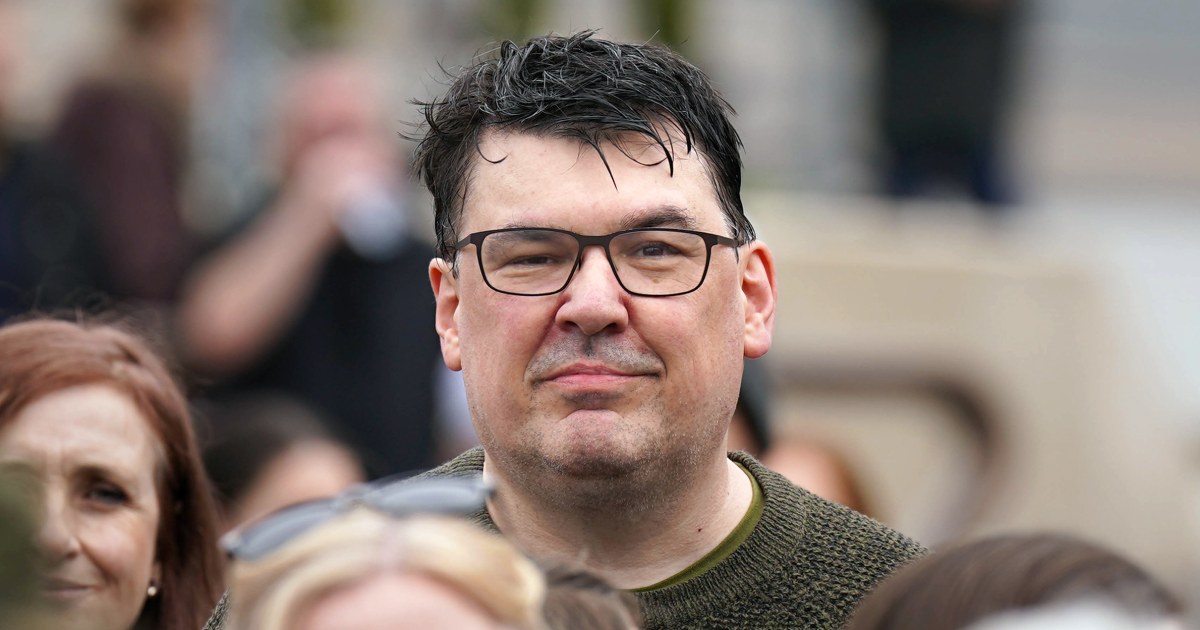
TV Writer Graham Linehan's Arrest Over Transgender X Posts Sparks Free-Speech Debate
The recent arrest of comedy writer Graham Linehan in Britain has ignited a fierce debate surrounding freedom of speech, its limitations, and the policing of online expression. Linehan, known for co-creating the iconic 1990s sitcom "Father Ted" and "The IT Crowd," was detained over social media posts concerning transgender people, leading to widespread discussion and polarized opinions.
Supporters of Linehan argue that current U.K. laws are stifling legitimate commentary and fostering an environment of censorship. J.K. Rowling, the celebrated author of the "Harry Potter" series and a vocal critic of trans activism, described the situation as "totalitarianism." They believe individuals should have the right to express their views, even if controversial, without fear of legal repercussions.
Conversely, others maintain that online abuse and hate speech have tangible real-world consequences, necessitating police intervention. Advocates for this perspective emphasize the potential harm caused by inflammatory online content and the importance of protecting vulnerable communities. London's police chief acknowledged the legal ambiguities, noting they placed officers "in an impossible position."
Details of the Arrest
Linehan recounted being apprehended by five armed police officers at Heathrow Airport upon his return from Arizona. The arrest stemmed from an April post on X where Linehan asserted that trans women were violent criminals if they used women-only facilities, even advocating people "punch" them.
This post followed a decision by the U.K's Equality and Human Rights Commission to exclude transgender women from certain single-sex spaces. Another post saw Linehan declare "I hate them" in reference to trans-rights protestors.
While the Metropolitan Police force did not explicitly name Linehan, they confirmed the arrest of a man in his 50s on suspicion of inciting violence via posts on X. Linehan, 57, stated on Substack that he was "arrested for jokes." He further detailed that the police questioning caused his blood pressure to spike, requiring hospitalization and subsequent release on bail with the condition that he refrains from posting on X.
Linehan is scheduled to appear in a London court in a separate case, where he faces accusations of harassing a transgender woman and damaging her phone. He denies all charges.
A Divided Reaction
The arrest has triggered a strong reaction from various quarters:
- Supporters: Outraged, viewing the arrest as policing of opinion and a violation of free speech.
- Critics: Deem Linehan's posts "totally unacceptable" and the arrest "proportionate."
Prominent figures have weighed in:
- J.K. Rowling: Described the situation as "totalitarianism."
- Kemi Badenoch: Urged the government to focus police efforts on protecting the public, not monitoring social media for "hurty words."
- Zack Polanski: Argued the posts were unacceptable and the arrest seemed proportionate.
The Legal Landscape
The U.K.'s Human Rights Act protects freedom of speech, but it's not absolute. Incitement to violence and hate speech targeting individuals based on race, gender, sexuality, or religion are illegal.
As online discourse has intensified, so has the policing of online comments. Recent cases, like that of Lucy Connolly, who received a 31-month sentence for a tweet during anti-immigrant violence, have fueled debate about "two-tier policing."
Metropolitan Police Commissioner Mark Rowley has called for greater clarity in the law, stating officers should not be "policing toxic culture wars debates." He emphasized the need to differentiate between genuine threats of physical violence and lesser cases with ambiguous intent.
U.S. Perspectives and International Implications
The perceived threat to free speech in the U.K. has garnered attention in the United States, with figures like Vice President JD Vance expressing concerns about the erosion of "basic liberties" in Britain. Nigel Farage is scheduled to address Congress on "Europe's Threat to American Speech and Innovation."
Prime Minister Keir Starmer has defended the U.K.'s commitment to free speech, while technology leaders like Elon Musk have criticized U.K. laws regarding harmful online content.
Civil liberties advocates also raise concerns about excessive limitations on peaceful protest, citing the ban of Palestine Action as a terrorist organization.
Conclusion
The arrest of Graham Linehan serves as a potent reminder of the complex interplay between freedom of expression, online responsibility, and the evolving legal frameworks governing digital spaces. As society grapples with these challenges, a nuanced and thoughtful approach is essential to safeguard both individual liberties and the well-being of communities navigating an increasingly interconnected world. The ongoing debate underscores the importance of striking a delicate balance between protecting free speech and preventing the spread of harmful content, a challenge that demands careful consideration from lawmakers, law enforcement, and citizens alike.
Tags: Graham Linehan, Transgender debate, Free speech, UK laws, JK Rowling, Online abuse, Hate speech, Father Ted, IT Crowd, Social media
Source: https://www.nbcnews.com/nbc-out/out-news/tv-writer-graham-linehans-arrest-transgender-x-posts-sparks-free-speec-rcna228781
Comments
Post a Comment