- Get link
- X
- Other Apps
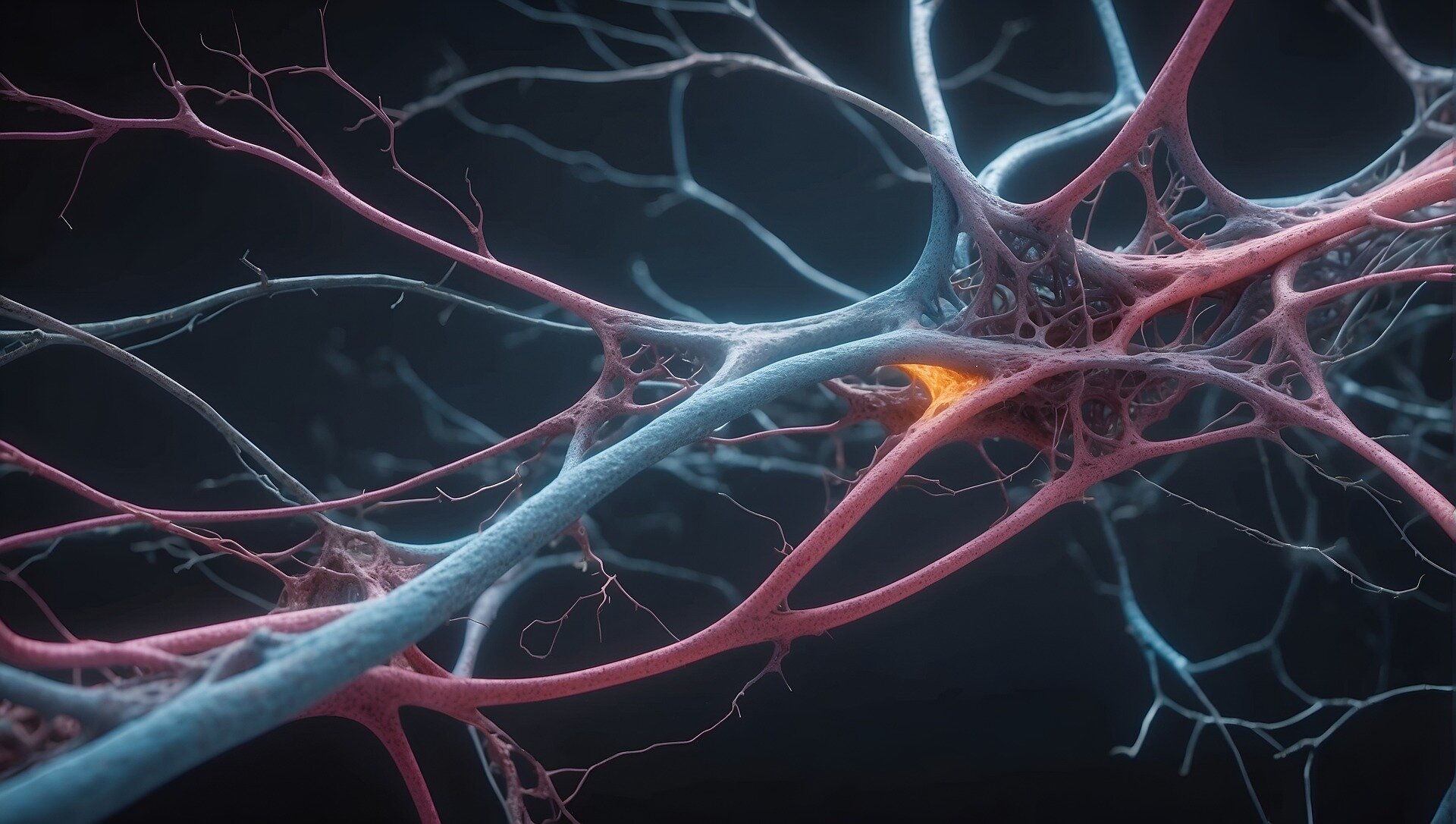
Headline: Key Brain Protein May Hold Answers for Memory Loss and Neurodegenerative Diseases
Scientists may have unlocked a critical piece of the puzzle in understanding memory loss and neurodegenerative diseases like Alzheimer's and Parkinson's. A groundbreaking study, published in Science Advances, reveals the crucial role of a specific brain protein, cypin, in maintaining strong connections between brain cells. This discovery opens exciting new avenues for potential treatments and therapies.
The research, spearheaded by Professor Bonnie Firestein at Rutgers University-New Brunswick, sheds light on cypin's previously unknown function at the synapses – the tiny gaps where neurons communicate. Think of synapses as the communication hubs of your brain. When these hubs aren't functioning correctly, it can lead to cognitive decline and memory problems.
Cypin: The Synaptic Conductor
The study found that cypin acts like a conductor, ensuring the right proteins are present at the synapses and properly "tagged." This tagging process is essential for efficient communication between neurons. Without it, signals get muddled, leading to impaired learning and memory.
Here's a breakdown of cypin's key roles, according to the research:
- Protein Tagging: Cypin facilitates the addition of special tags to proteins at the synapses. This ensures proteins are correctly positioned and can effectively transmit signals.
- Proteasome Interaction: Cypin interacts with the proteasome, a complex responsible for breaking down proteins. By slowing down this breakdown, cypin helps maintain a healthy balance of proteins within the synapse.
- Protein Level Boost: Increased cypin levels lead to higher levels of essential proteins in the synapses, vital for effective neuronal communication, learning, and memory.
- UBE4A Activation: Cypin enhances the activity of another protein, UBE4A, further supporting the protein tagging process.
Implications for Brain Disorders
"Our research indicates that developing treatments or therapies that specifically focus on the protein cypin may help improve the connections between brain cells, enhancing memory and thinking abilities," explains Professor Firestein. This suggests that targeting cypin could be a promising strategy for tackling a range of neurological conditions.
Specifically, the researchers believe cypin could play a role in:
- Treating neurodegenerative diseases like Alzheimer's and Parkinson's.
- Addressing neurocognitive diseases.
- Aiding recovery from traumatic brain injuries.
Translational Research: From Lab to Clinic
The beauty of this research lies in its potential for translation into real-world treatments. Professor Firestein emphasizes that while this is "basic research," it can eventually be applied in clinical settings. Her team is already engaged in "translational" work, striving to convert their lab findings into practical solutions for improving human health. The role of cypin in synaptic plasticity – the ability of synapses to strengthen or weaken over time – is particularly exciting. By influencing synaptic plasticity, cypin could potentially counteract the synaptic dysfunction observed in neurodegenerative diseases and brain injuries.
This discovery marks a significant step forward in our understanding of brain health and disease. By focusing on cypin, researchers are paving the way for innovative therapies that could one day alleviate the devastating effects of memory loss and neurodegenerative disorders. The future of brain health research looks brighter than ever!
Tags: Brain protein, learning, memory, Alzheimer's, Parkinson's, cypin, synapses, neurons, brain cells, brain injury
Source: https://medicalxpress.com/news/2025-07-key-brain-protein-memory-loss.html
Comments
Post a Comment