- Get link
- X
- Other Apps
Arizona Resident Dies from Plague, First Case in Coconino County Since 2007
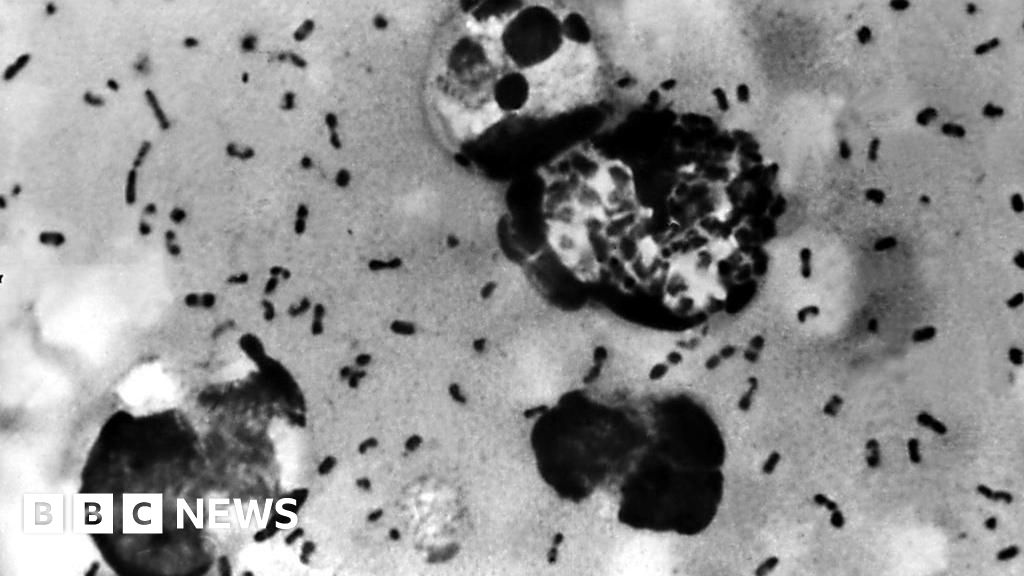
The Coconino County Public Health Services District (CCPHSD) has sadly confirmed the death of an Arizona resident due to pneumonic plague. This marks the first instance of a plague-related death in the county since 2007, raising concerns but also prompting reassurance from health officials regarding the overall risk to the public.
The CCPHSD reported that the last case in 2007 involved a person who had interacted with a deceased animal carrying the infection. While the news is undoubtedly unsettling, it's crucial to understand the context and the measures being taken to address the situation.
A Look Back: The History of Plague
Plague, infamously known as the "Black Death" during the 14th century, is a disease with a devastating history. It wiped out an estimated 30-60% of Europe's population in a relatively short period. However, it's essential to remember that modern medicine has drastically changed the landscape of this disease.
While still a serious illness, plague is now rare in humans and, most importantly, **treatable with antibiotics.**
Understanding the Current Situation
The Centers for Disease Control and Prevention (CDC) estimates that an average of **seven human plague cases are reported each year in the United States**. This relatively low number underscores the rarity of the disease in the modern era. Coconino County officials have emphasized that the risk of exposure to the public remains low, but it's always wise to stay informed and take necessary precautions.
Key Facts About Plague:
- Plague is caused by bacteria, usually transmitted by fleas from infected rodents.
- There are three main forms of plague: bubonic, septicemic, and pneumonic.
- Pneumonic plague, the form affecting the deceased Arizona resident, can spread from person to person through respiratory droplets.
- Early diagnosis and treatment with antibiotics are crucial for a successful recovery.
What You Can Do: Precautions to Take
While the risk to the public is considered low, here are some common-sense precautions you can take, especially if you live in or are visiting areas known to have rodent populations:
- Avoid contact with wild rodents, especially if they appear sick or dead.
- Use insect repellent containing DEET to prevent flea bites.
- Keep your yard clean and free of debris that could attract rodents.
- Control rodent populations around your home.
- If you experience symptoms such as fever, chills, headache, or swollen lymph nodes, seek medical attention immediately and inform your doctor about potential exposure to rodents or fleas.
This unfortunate incident serves as a reminder that even rare diseases can still pose a threat. However, with advancements in medicine and a proactive approach to public health, the risk of widespread outbreaks is significantly reduced. Stay informed, take precautions, and trust in the expertise of our public health officials who are working diligently to protect our communities.
Source: https://www.bbc.com/news/articles/cz7l8w8881qo
Comments
Post a Comment