- Get link
- X
- Other Apps
Few Expect Breakthrough as Russia-Ukraine Talks Loom Amid Trump's Hesitation
As the world watches, Ukraine and Russia are set to meet in Istanbul on June 2nd for another round of peace talks. However, expectations for a significant breakthrough remain muted. Despite international efforts, and even apparent frustration from within the U.S., a lasting resolution seems distant.
While both Ukraine and the U.S. have advocated for an unconditional ceasefire, the Kremlin continues to reject such proposals. Instead, Moscow has consistently presented what many consider to be "maximalist demands," making any real progress incredibly difficult. These demands include:
- Recognition of Russia's annexation of Ukrainian territories, a move widely condemned as illegal.
- Withdrawal of Ukrainian troops from regions currently under Kyiv's control but claimed by Russia.
Trump's Frustration, Inaction
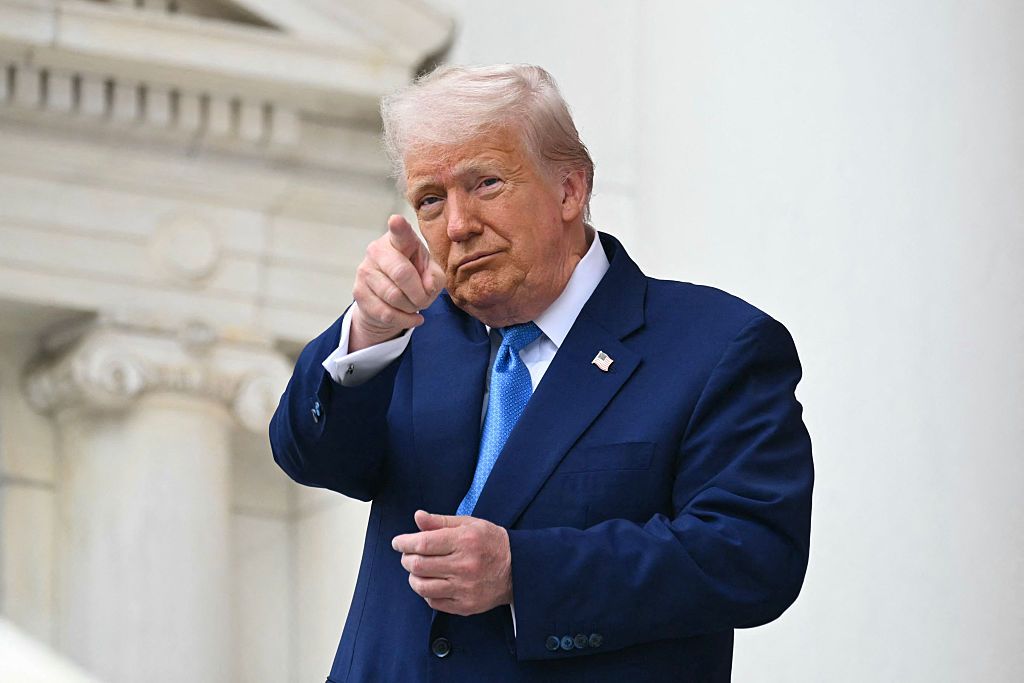
U.S. President Donald Trump has voiced his frustration with Russia's unwillingness to compromise and its escalating attacks on Ukraine. However, he has thus far refrained from imposing sanctions on Moscow. This hesitation has drawn criticism and raised questions about the U.S.'s commitment to holding Russia accountable.
Jenny Mathers, a lecturer at Aberystwyth University, aptly describes Putin's strategy: "Putin is clearly engaged in a balancing act between making gestures towards peace to keep Trump quiet without making any compromises or actually trying to ensure that the peace talks make any real progress."
She further emphasizes the lack of genuine intent from the Russian side: "There are no signs that Russia is willing to consider making any concessions, and every sign that Russia intends to keep pushing ahead on the battlefield to try to take control of as much Ukrainian territory as possible."
First Round Yielded Little
The previous round of talks in Istanbul on May 16th failed to produce a ceasefire agreement. The only tangible outcome was a significant prisoner swap, with 1,000 prisoners exchanged on each side – the largest such exchange of the war.
Charles Kupchan, a senior fellow at the Council on Foreign Relations, commented on the outcome: "The talks did yield a quite sizable exchange of prisoners, but the glass was more half empty than half full. Putin refused to send a high-level delegation and seemingly little progress was made on the key issue – attaining a ceasefire and durable settlement."
Peter Rough, a senior fellow at the Hudson Institute, echoed this sentiment, suggesting that the talks were more procedural than strategic.
Delays and Demands
Ukraine submitted its memorandum outlining proposed ceasefire terms to Russia on May 28th. This included provisions for a comprehensive ceasefire, monitored by international partners.
In return, Russia promised to provide its own memorandum. However, the Kremlin has been conspicuously slow in delivering this document, raising further doubts about its sincerity.
According to Sergey Lavrov, the Russian memorandum would be revealed at the upcoming June 2nd negotiations. The delay has fueled speculation.
Kupchan believes Russia is stalling due to battlefield advantages and its continued pursuit of maximalist goals. Stefan Wolff, a professor at the University of Birmingham, suggests Russia aims to limit Ukraine's time to consult with allies.
Maximalist Demands Remain
Russia's demands have remained consistent and uncompromising throughout the negotiation process.
Putin has stated that a ceasefire would only be considered under conditions that many experts view as tantamount to surrender, including:
- A ban on Ukrainian mobilization and troop training.
- A halt to Western military aid for Kyiv.
Furthermore, Russia demands that Ukraine recognize its annexation of territories and adopt a neutral status.
The Road Ahead
With Trump's reluctance to impose sanctions and Russia's unwavering demands, the prospects for a breakthrough in the upcoming talks appear bleak.
Michael O'Hanlon of the Brookings Institution emphasizes the need for increased pressure on Putin. Richard Betts of Columbia University suggests that only significant battlefield defeats or a decline in domestic support for Putin might alter the situation.
As the June 2nd talks approach, the world holds its breath, hoping for a shift towards peace, even as the odds seem stacked against it. The key may lie in a fundamental shift in the international approach, one that finally compels Russia to negotiate in good faith and prioritize a genuine resolution to this devastating conflict. Only time will tell if such a shift is possible.
Tags: Ukraine, Russia, Peace talks, Istanbul, Trump, US, Ceasefire, Kremlin, Putin, Conflict
Source: https://kyivindependent.com/as-trump-fails-to-sanction-moscow-few-expect-breakthrough-during-upcoming-russia-ukraine-talks/
Comments
Post a Comment